Book Appointment Now

Why Myopia Is Becoming a Big Problem
What Is Myopia?
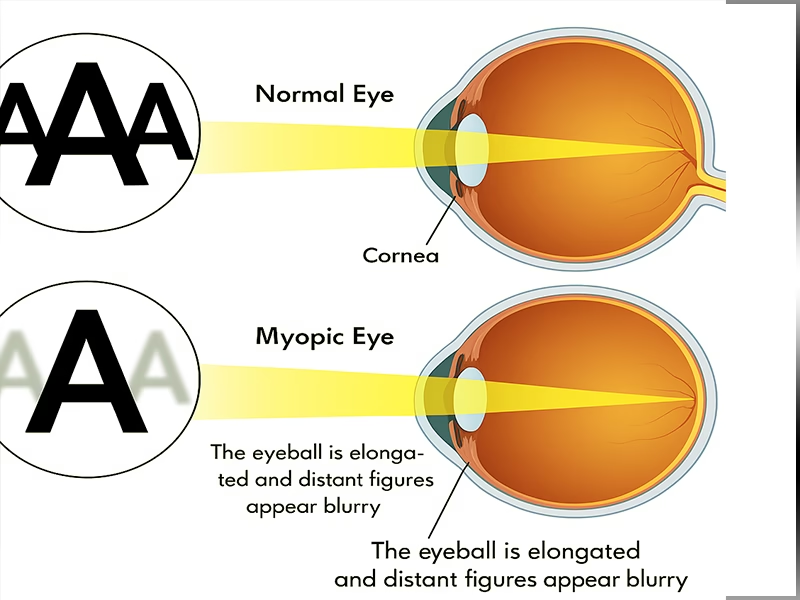
Myopia, or nearsightedness, means you can see things close up, like a book or phone, but things far away, like a street sign, look blurry. It’s not just about needing glasses—it can cause serious eye problems later in life, like trouble seeing clearly or even losing vision. Kids are especially at risk because their eyes are still growing, and myopia can get worse over time.
Why Are So Many People Getting Myopia?
More and more people are becoming nearsighted. Experts say that by 2050, half the world might have myopia. It’s a significant issue in places like East Asia, where many teenagers already require glasses to see objects in the distance. The problem worsened after the COVID-19 pandemic, as children spent more time indoors and on screens.
References: Holden BA, et al. (2016). Global Prevalence of Myopia and High Myopia. Ophthalmology; Wong CW, et al. (2023). Myopia Surge in Hong Kong Children Post-COVID. British Journal of Ophthalmology
https://www.iapb.org/news/half-the-world-to-be-short-sighted-by-2050/
How the Pandemic Hurt Our Eyes
Too Much Time Indoors and on Screens
During the COVID-19 lockdowns, people spent more time indoors. Kids stopped playing outside and spent hours on phones, tablets, or computers for school and fun. This was tough on their eyes. Staring at screens or books for too long can cause myopia by making the eyes grow in a way that is detrimental to vision. Being outside in sunlight helps keep eyes healthy, but lockdowns meant less time spent outdoors.
Myopia Got Worse After COVID
Studies show that kids’ eyesight got worse during the pandemic. In places like China, where many kids already have myopia, the problem grew because they weren’t outside as much. In the U.S., doctors noticed more kids needing glasses after 2020, likely because parents let them use screens more during lockdowns.
Things That Make Myopia Worse
Too Much Screen Time
Spending hours on screens, like phones or computers, can hurt your eyes. It makes them work hard to focus up close, which can lead to myopia, especially in kids. During the pandemic, many families relaxed rules about screen time, and that made the problem bigger.
References: Liu J, et al. (2024). Screen Time and Myopia Risk in Children and Adolescents. BMC Public Health
Not Enough Time Outside
Being outside in natural light is excellent for your eyes. Sunlight helps them grow the right way and can stop myopia from starting or getting worse. Experts recommend that children spend at least two hours outside every day. However, city life and safety concerns mean kids play outside less, especially since the COVID-19 pandemic.
References: He M, et al. (2015). Effect of Time Spent Outdoors at School on Myopia Development. JAMA
How to Protect Your Eyes
Limit Screen Time
To keep eyes healthy, cut down on screen time. A simple trick is the 20-20-20 rule: every 20 minutes, look at something 20 feet away for 20 seconds. For kids, establish rules such as no screens during meals or before bedtime. Adults can use apps to remind them to take breaks. Special glasses or screen filters may help alleviate eye strain, but they don’t entirely prevent myopia.
Eye Exercises and Glasses
Eye exercises, such as looking at faraway objects occasionally, can help ease tired eyes. They won’t fix myopia, but they make your eyes feel better. Glasses that block blue light from screens are popular, but it’s unclear whether they prevent myopia. They can still help your eyes feel less tired.
Get Outside More
Spending time outside is one of the best ways to prevent myopia. Children should spend at least two hours a day outdoors, especially when they’re young. Activities like riding a bike or walking in the park are great options. A recent post on X stated that sunlight is key to keeping eyes healthy, and reduced outdoor time is exacerbating myopia.
What’s Next for Myopia
New Ways to Treat Myopia
Doctors are finding better ways to slow the progression of myopia. Special eye drops can help slow the growth of children’s eyes. There are also contact lenses you wear at night to reshape your eyes and glasses designed to control myopia. New ideas, such as using red light or even artificial intelligence, are being tested to detect myopia early and treat it more effectively.
Spreading the Word
To combat myopia, we need everyone to be aware of it. Schools can check kids’ eyes to catch problems early. Programs around the world are teaching parents to limit their children’s screen time and encourage them to spend time outside. A 2025 article mentioned that eye doctors are urging families to take action now to protect their children’s vision.
References: National Eye Institute (2024). School-Based Vision Screening; Optometry Today (2025). Parental Awareness for Myopia Prevention
Conclusion: Let’s Protect Our Eyes
Myopia is a growing problem, and the COVID-19 pandemic made it worse by keeping us indoors and on screens. But we can fight back. By reducing screen time, spending more time outdoors, and using new treatments, we can protect our eyes and our children’s eyes. Parents, teachers, and doctors need to work together to spread the word and act early. Simple steps today can save our vision tomorrow.
